
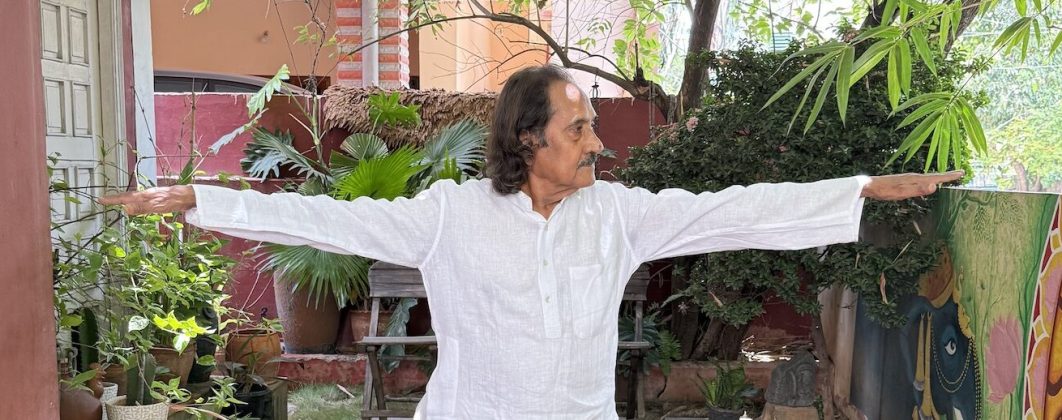
My day often unfolds in the quiet habits that bring meaning to routine, not the rushed or scheduled routines, but the silent, unassuming moments where yoga truly lives. Yoga doesn’t always take the form of a perfectly held pose on a mat. Sometimes, it’s in the slow, steady pouring of water from a brass pot. Sometimes, it’s in the soft rustle of cotton drapes stitched from old saris. Sometimes, it’s in the care with which I pick out vegetables at the local Friday santas(markets). For me, yoga isn’t something that’s separate from the rest of life, it’s something that flows into my food, my home, my thoughts, and my everyday choices.

There is a kind of deep harmony and quiet intelligence in the way yoga and traditional vessels come together in my life. Both hold within them an old, enduring wisdom. Both ask us to pause. Both encourage us to notice, to reflect, to do things with care and presence. At their core, yoga and traditional vessels pursue the same ideals: balance, mindfulness, and an honest connection to the natural world. In the fast pace of modern life, they stand together as a gentle form of resistance, offering us a reason to slow down, pay attention, and realign ourselves with what truly matters.
Mindfulness in Everyday Acts
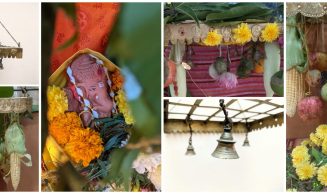
Yoga first entered my life through physical movement, simple exercises, stretches, and breathing. But as the years passed, it evolved into something much deeper. It became a way of thinking and living. These days, I may not begin every morning with yoga asana, but I certainly begin each day with a quiet, intentional mindfulness. Most mornings start with a slow walk, followed by my Tai Chi practice, and then pooja. There’s something sacred about plucking fresh flowers from the garden, lighting agarbattis, placing the harathi before the deity, and offering a prayer not just to ask, but to connect. Connect with myself, with time, with the world beyond me… and with the ease that rises quietly from simply being alive.
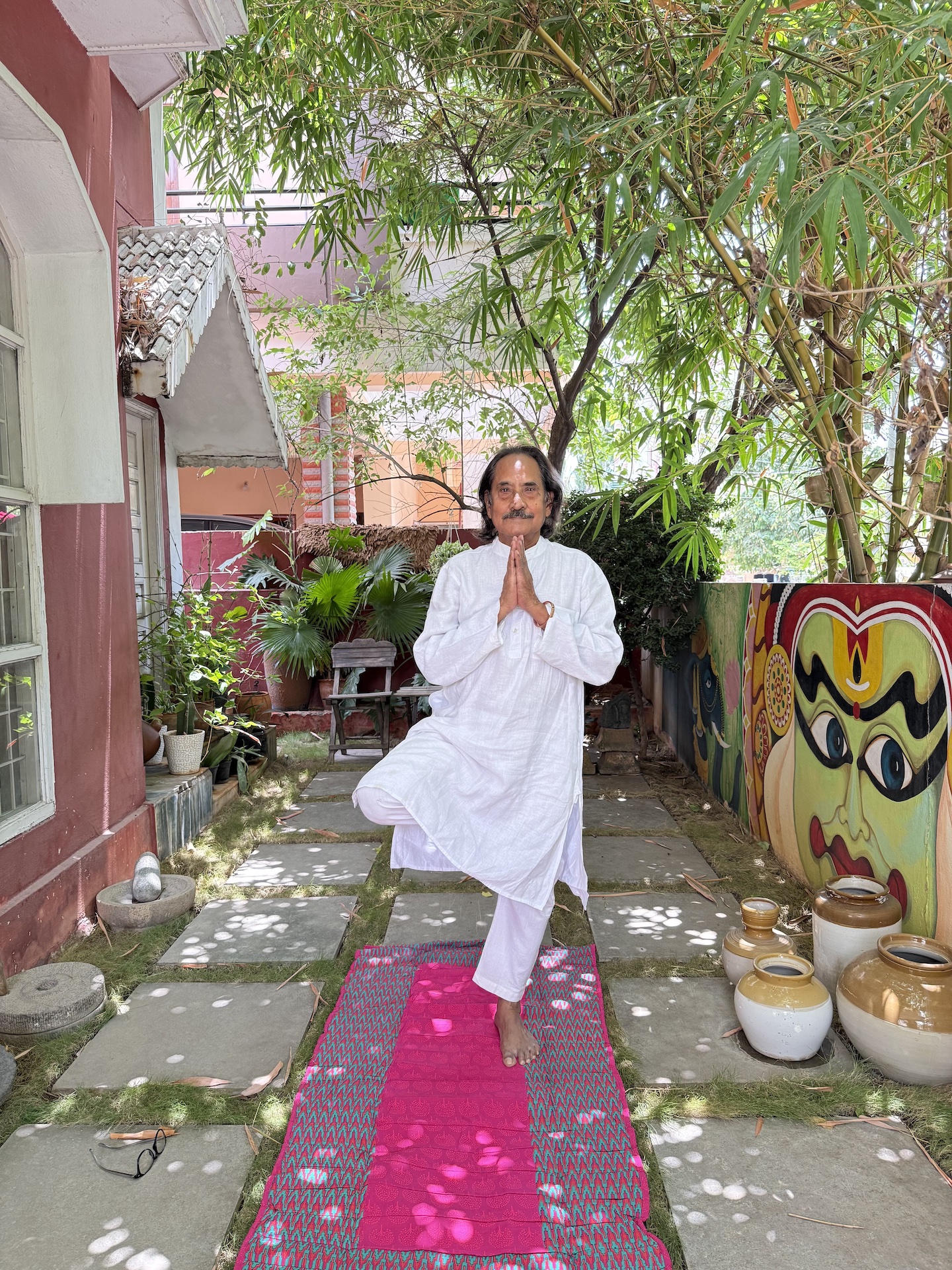
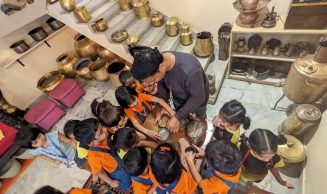
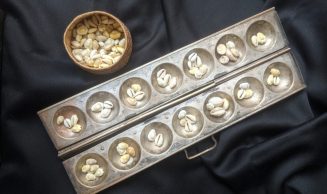
Mindfulness isn’t limited to my body or breath; it also lives in my home, especially in my museum. Every antique vessel I collect is not just an artifact from the past, it’s a gentle reminder. A reminder that things were once done with care, attention, and purpose. When I hold a bronze ladle or cook with a clay pot, I feel something slow down inside me. I’m reminded that life can be beautiful, even profound, when we take our time.
Balance Through Food
Yoga teaches that food is not only nourishment for the body, it is also energy, memory, and medicine. Now, at 85, I have seen and felt the difference that food can make. I begin my day with millets instead of rice, a conscious switch I made a few years ago because I believe in starting the day with what truly strengthens the body. My lunch is always simple but balanced: a portion of dal, one seasonal vegetable, and some homemade curd. Dinner is kept light not out of routine, but out of choice. I’ve come to understand that how I feel the next morning is deeply influenced by what I eat at night.
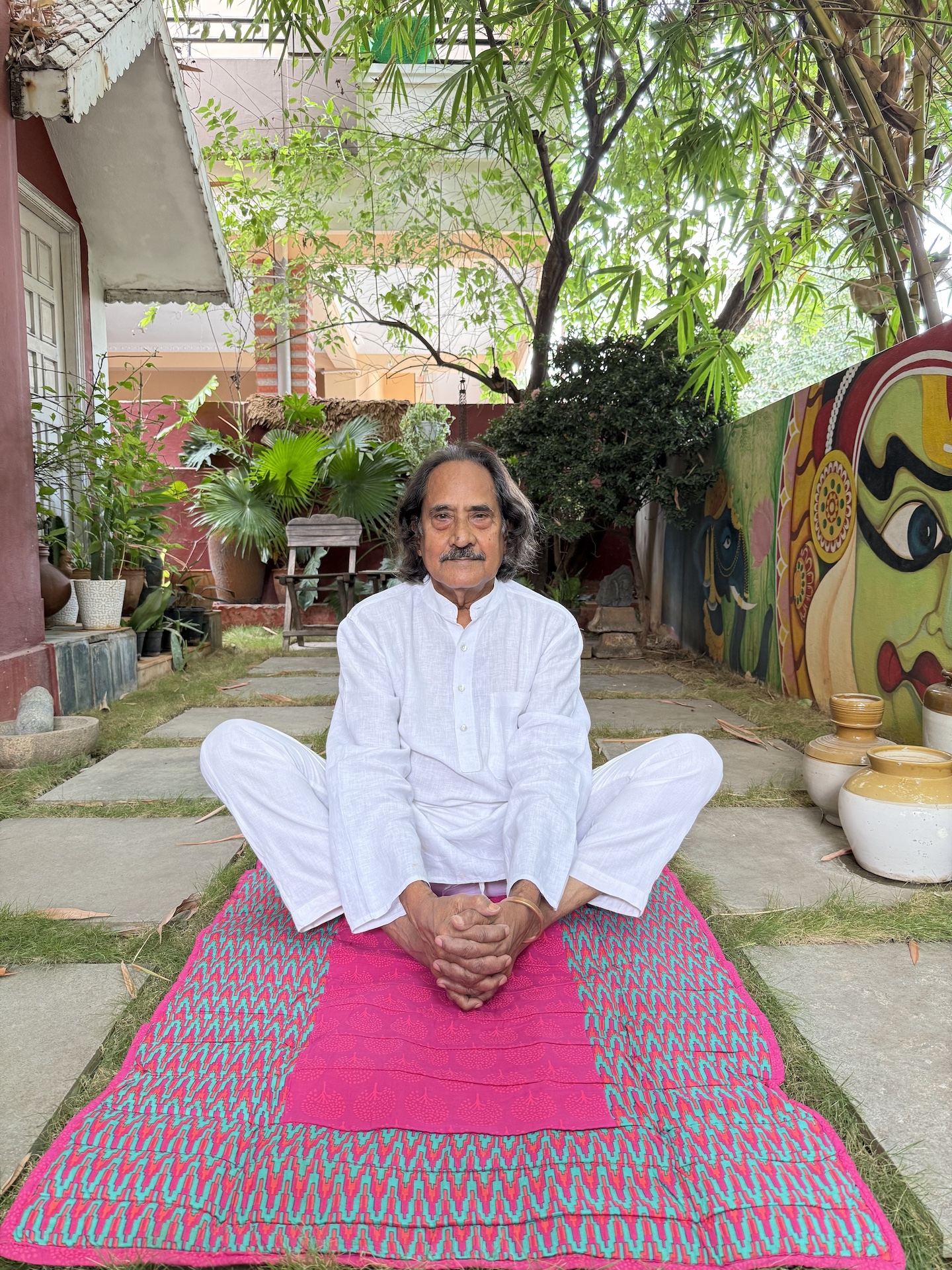
I prefer to choose my vegetables myself. I don’t trust plastic-wrapped produce that’s traveled hundreds of kilometers and spent days in cold storage. I walk to the local market every Friday, where rows of fresh, earthy vegetables arrive straight from nearby farms. I buy just enough for three days, ensuring it stays fresh and full of vitality. I stay away from anything with preservatives or artificial colorings. Even with something as basic as idli batter, I prefer to make it at home. The store-bought kind may last longer, but that longevity comes with hidden costs.
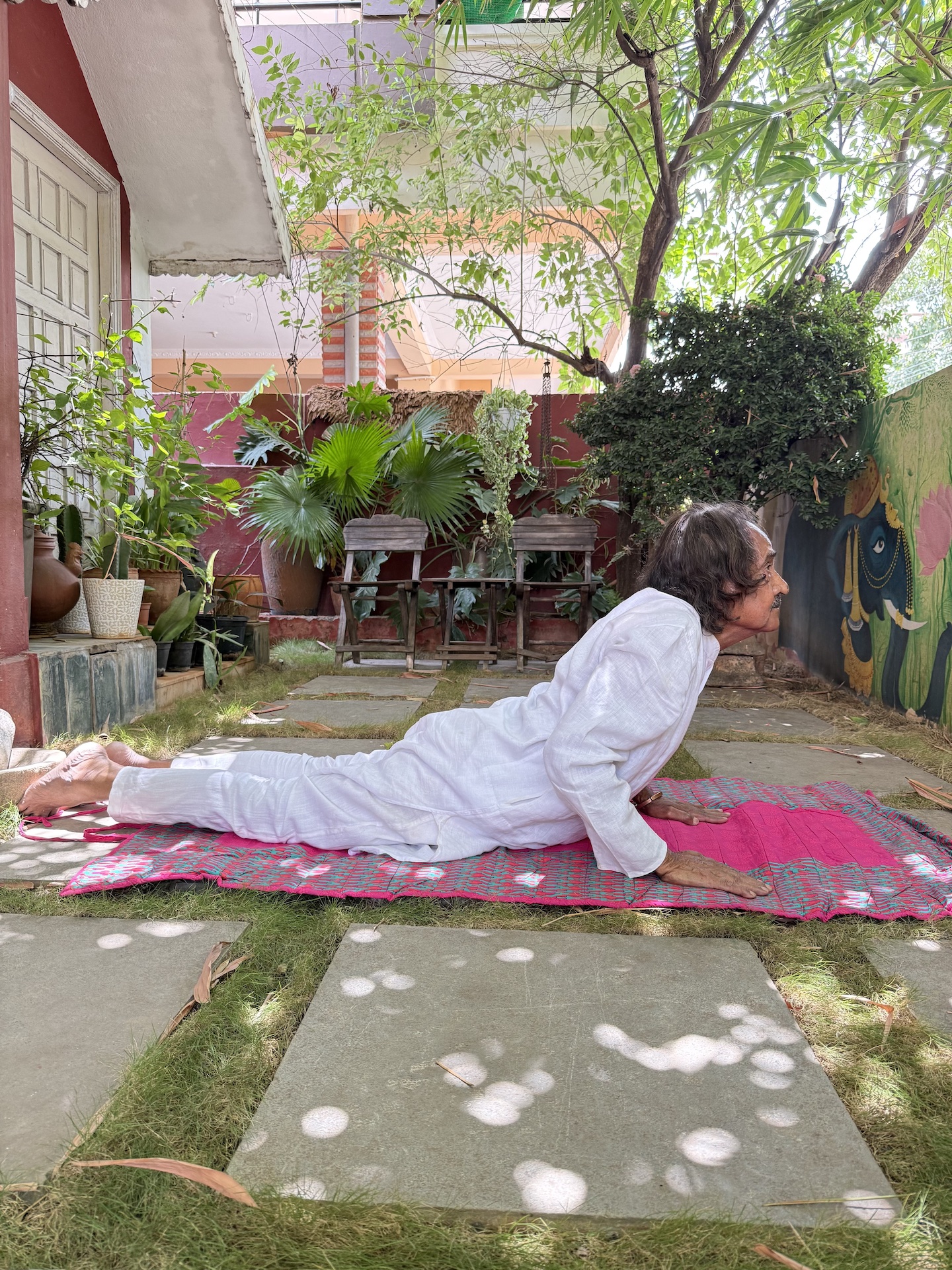
I do eat outside occasionally, especially when I travel. But I’m selective. I prefer small places like Udupi restaurants, where I know the food is made fresh that day and finished the same day. No bulk storage. No reheating. Even when I eat something as simple as a samosa, I ask them not to microwave it. I’d rather eat it cold than eat something that has been stripped of its life through heat and delay. It may seem like a small thing, but to me, food should feel alive.
Living Sustainably
For me, sustainability didn’t begin as a buzzword, it was simply the way I was raised. In my childhood, plastic didn’t exist in our daily lives. There were no packaged foods or synthetic fabrics. My grandfather was a farmer who never used chemical fertilizers. He relied on cow dung, on natural rhythms, on what the earth had to offer. We had our own cows, drank unadulterated milk, and ate food grown nearby, in its season, fresh from the soil.
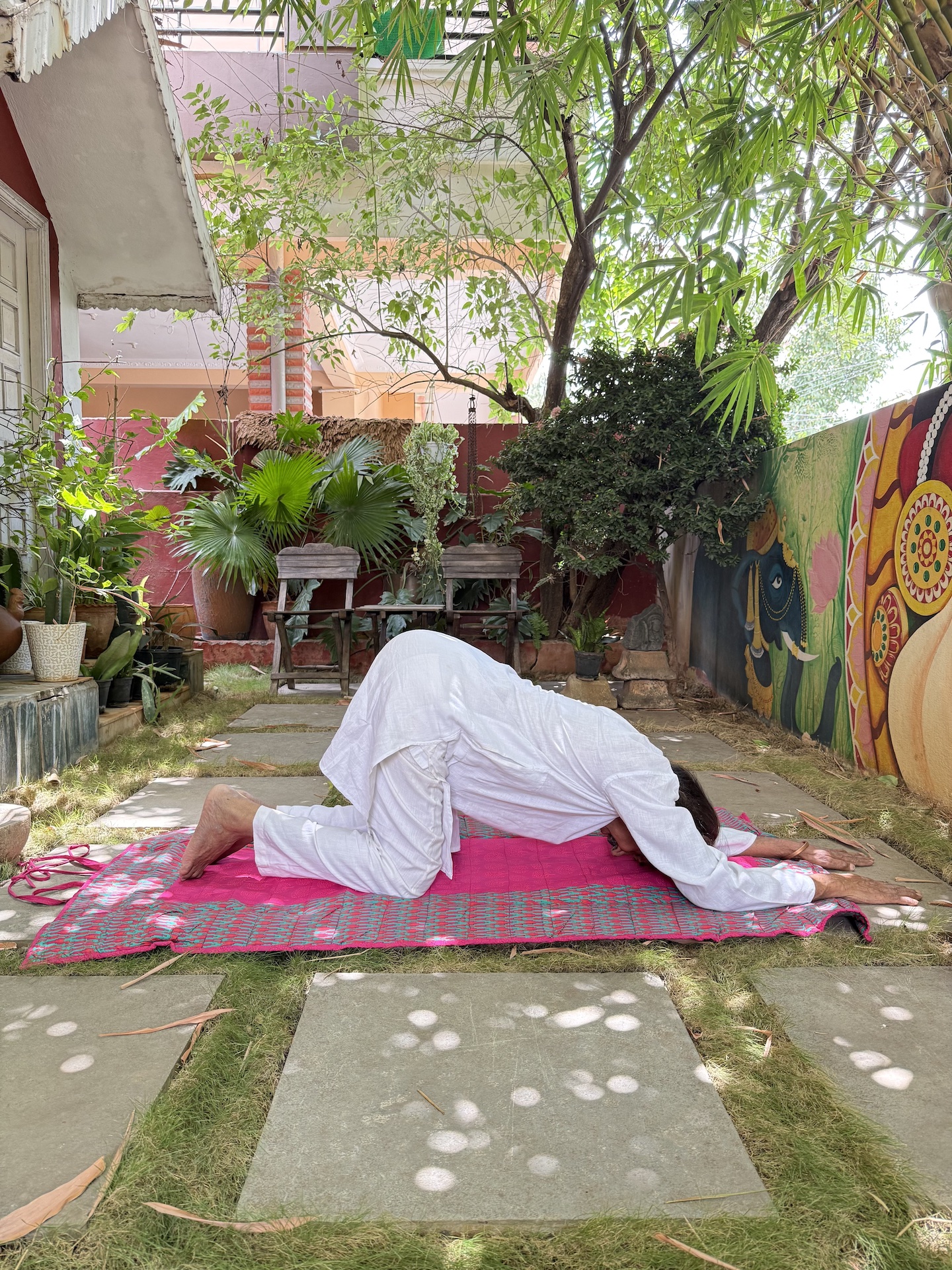
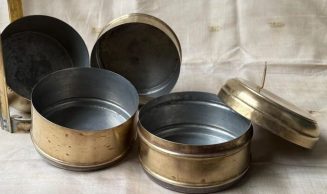
Now, in my own home, I live what I call a “green and brown lifestyle.” Green stands for a plant-based, organic, natural way of living. Brown represents the soil, the earth under our feet, and the grounding it offers. I use soapnut and shikakai to cleanse my body. Tamarind to clean my brass vessels. My upholstery is made of cotton and jute. I store things in bamboo baskets, not plastic tubs. Even my flower pots are made of clay. Yes, they break now and then, but I still choose them. Because when something needs care, it reminds you to care.
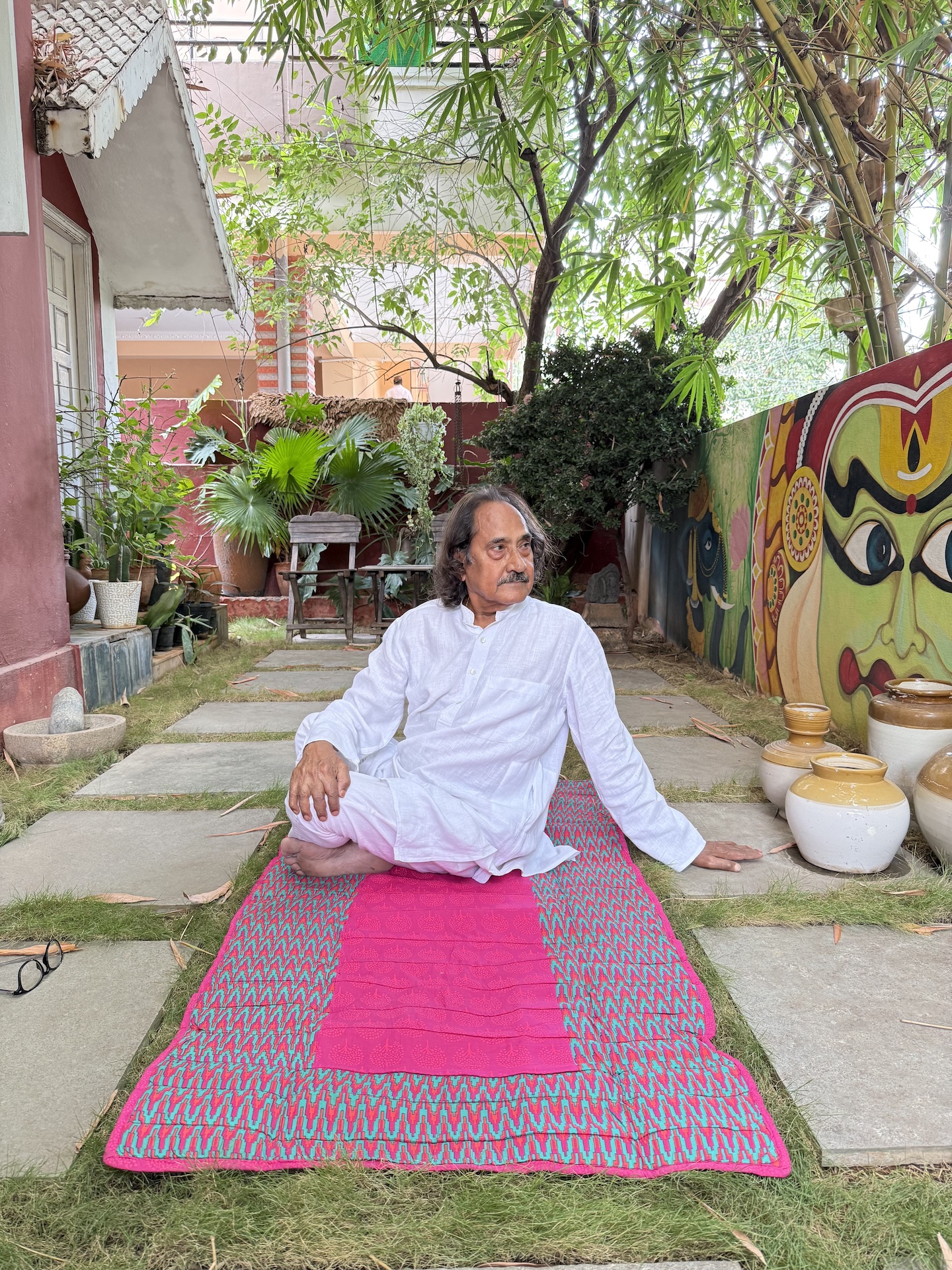
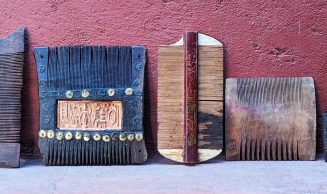
And then there are the antiques. People often ask me what draws me to these old objects? The answer is simple: they are not just things; they are stories, values, lessons. They remind us that we don’t need to keep buying and discarding. If something still works, why replace it? If something is beautiful and meaningful why not make it part of your life?
Reusing, repurposing, reimagining that’s not just eco-conscious living. It’s living with heart.
Returning to What’s Right
We often talk about “progress” as if it means owning more, consuming more, moving faster. But real progress, as I see it, means breathing fresh air, eating real food, smiling more often, worrying a little less. What’s the point of creating beautiful cities if we’re gasping for breath in them?
Nature has never asked much from us. It only asks that we live in rhythm. The deer in the wild doesn’t go to the gym. The tiger doesn’t pop vitamins. They stay strong because they live in harmony with what surrounds them. If we do the same, we too will shine healthy, whole, and grounded.
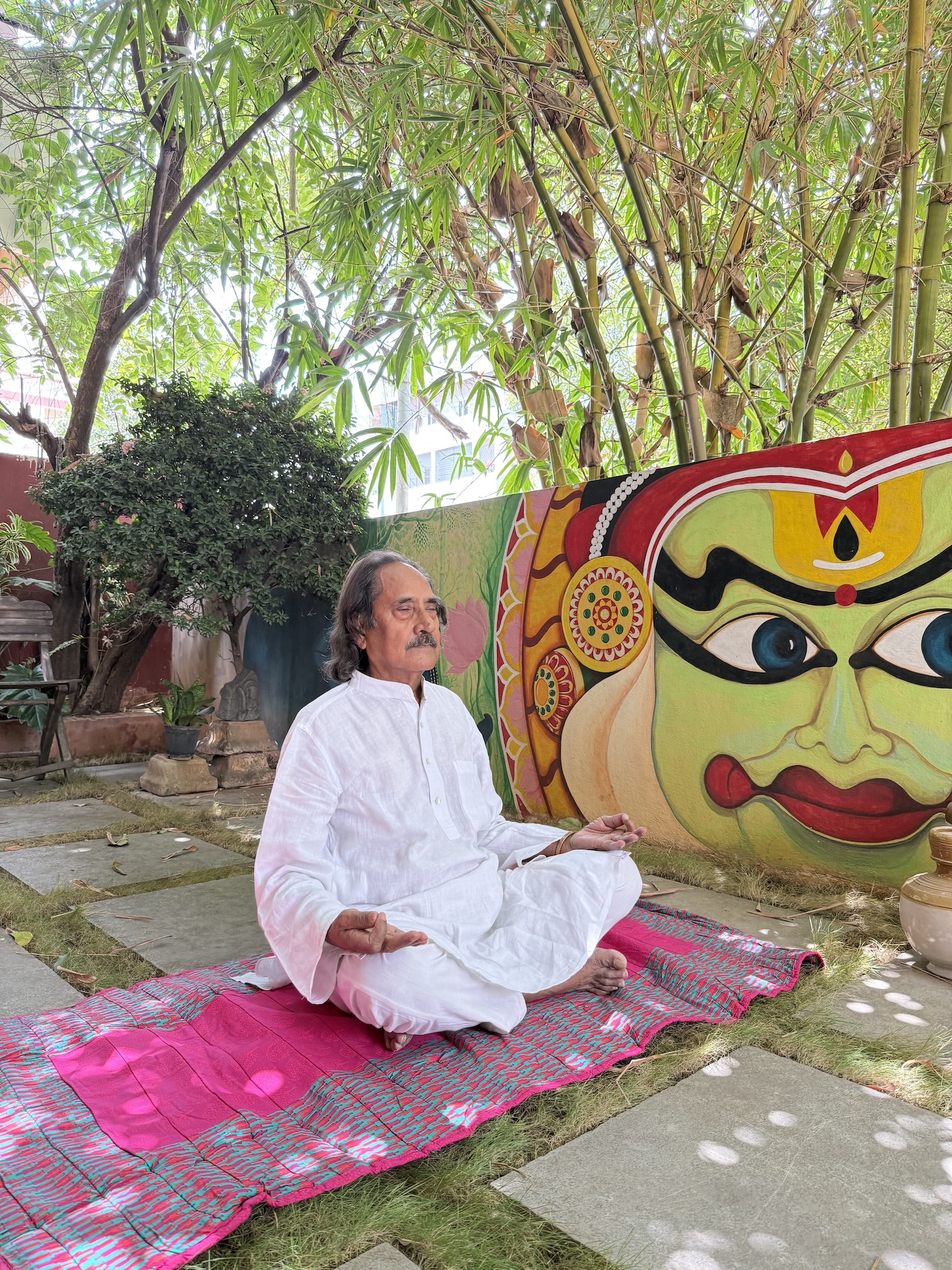
Yoga and traditional vessels both remind us of what’s essential, not what is trendy or fleeting, but what is right, what is simple, and what lasts. They remind us of values that don’t shout for attention but quietly hold us together.
Maybe what we need now is not more innovation, not more convenience, not more progress.
Maybe what we need is more remembering.







One Response
Such a beautiful reminder of the power of breath, movement, and the profound benefits of living a conscious life. Your ‘Living with Yoga’ concept is simple yet deeply impactful—a journey that radiates calm, strength, and intention. Thank you for sharing this inspiring path with us!