When you walk into any big mall, you will find stores selling a variety of luxury perfumes and sales folks insisting you try out their samplers. Open any social media app nowadays and you see so many brands of perfumes with fancy names and attractive packaging allowing you to buy one at the click of a button. Yes, there are still old school perfume makers who still make and sell traditional attars. But are their numbers dwindling?
People who use traditional attars love it for the natural fragrance, the soothing effect it has on one’s mind, and the long-lasting aroma. The traditional attar is a natural perfume with a royal legacy, cultural heritage, and personal memory. At the heart of this tradition lies the attar box, a compact, beautifully crafted container designed to hold the world’s most precious fragrances.
To me, the attar box is more than just a perfume holder, it is a vessel of history, status, and emotional significance. The story began in royal courts, where Rajas and Ranis chose signature fragrances to announce their arrival. Nobles, visitors, and even members of the royal court were often recognized by the fragrance that they wore. Each attar was personalized, and crafted to elevate one’s mood and spirit.
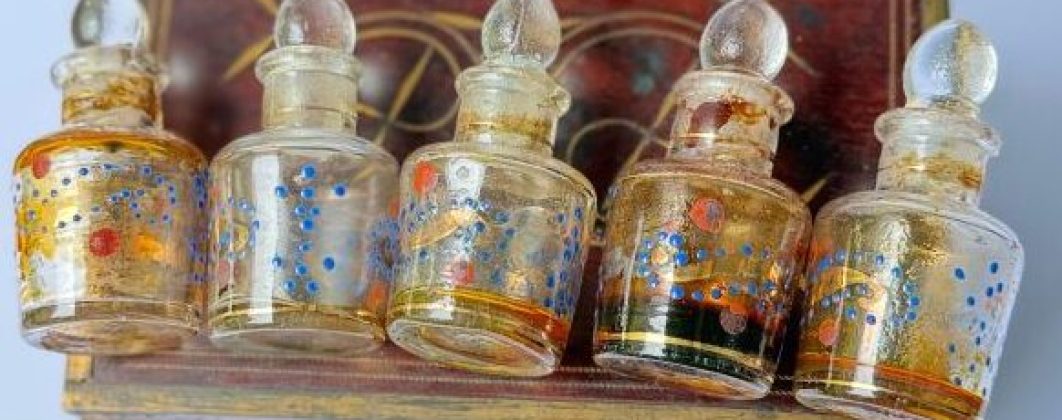
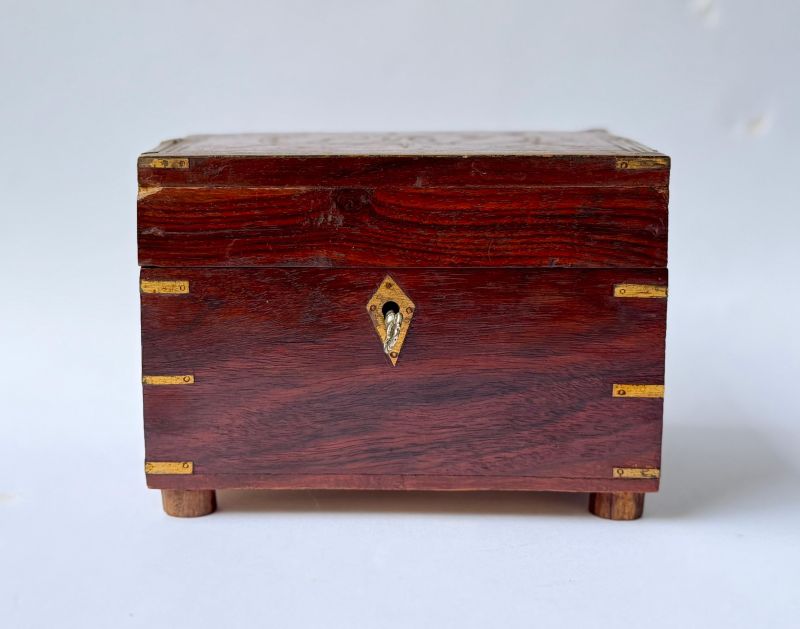
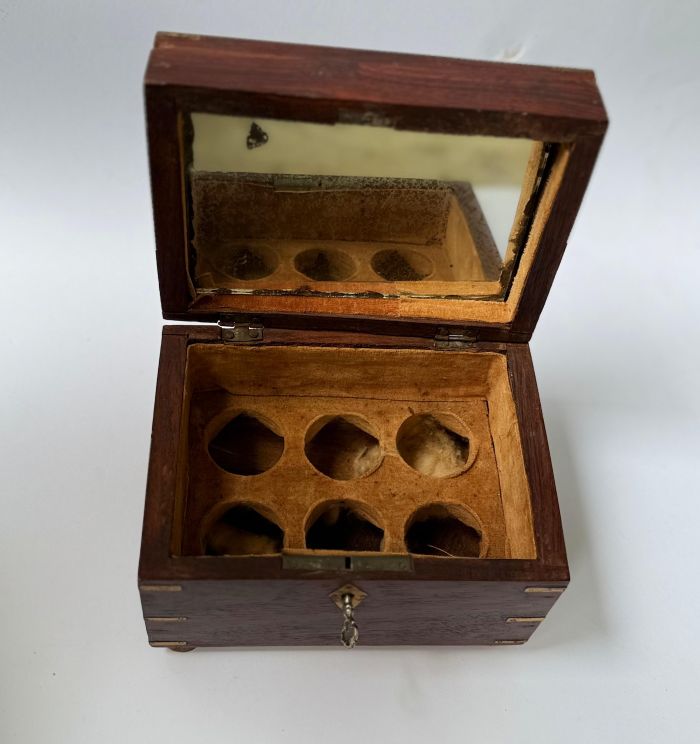
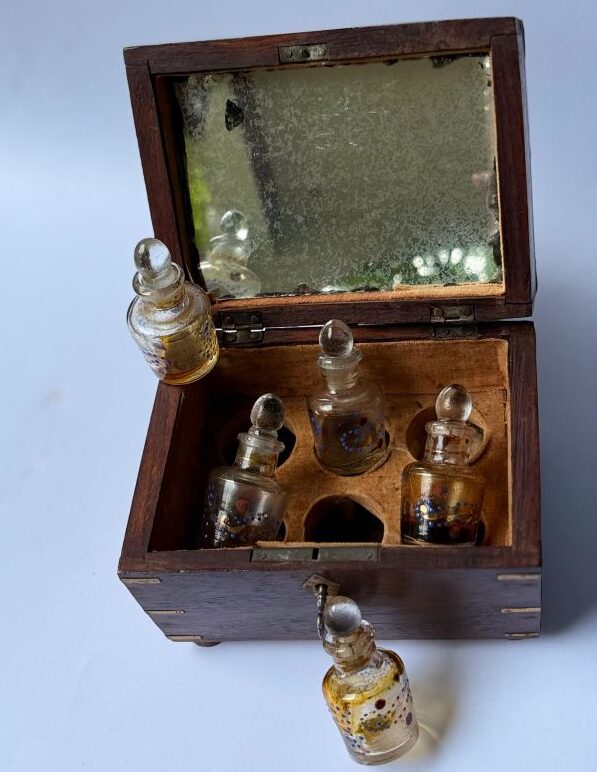
One such beautiful attar box that I acquired, nearly a decade ago from Rajasthan, is part of my antiques collection here at the home museum. Made of teakwood, it has a compact rectangular shape, and intricate brass inlay work and embellishments. The artisan thoughtfully designed a small lock and key arrangement to keep the precious contents of attar safe. Once you open the lid, you will see a tray which holds six delicate glass bottles, each within its own slot, safe from any damage. These bottles are not made of just any material; glass is preferred for its non-reactive properties, ensuring that the attar remains untouched. The glass stoppers and narrow necks of the glass bottles are designed to prevent the attar from evaporating. The bottles are detailedly designed with Meenakari work in the shape of mango leaves. Each bottle lid is shaped like a dome, that is similar to the Mughal architecture—fits tightly and seals the attar within. These were perfumes not meant to be shared; they were craftred for individuals keeping in mind their preferences and personalities.
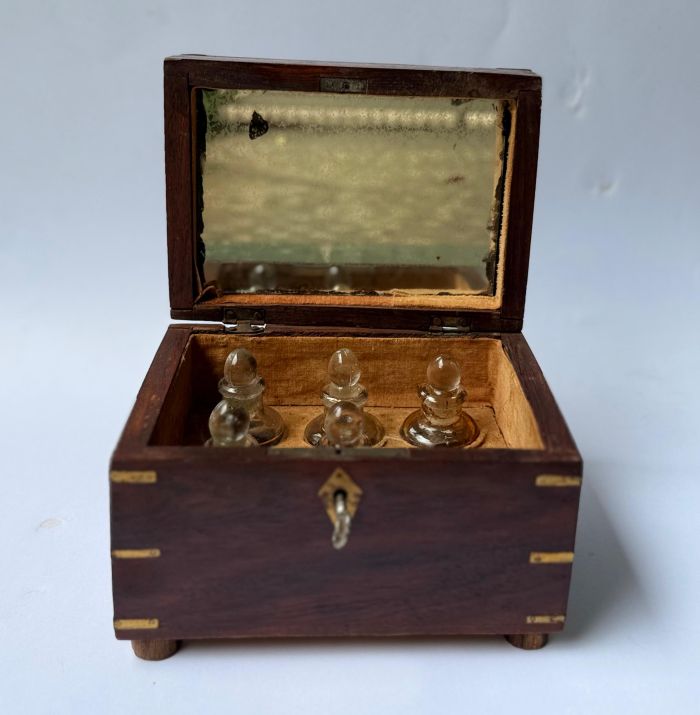
Another unique feature of this attar box is the mirror inside the lid. It isn’t just decorative, the mirror reflects light and colour, that adds to the beauty of the bottles that the box holds. The mirror also has a personal purpose, when someone applies attar, it’s usually a quiet moment of self-care, and looking into the mirror adds to that experience by enhancing one’s feelings and mood.
Why are attar containers small?
Attars are usually kept in small containers for a couple of reasons: first, they are easy to carry around, and second, attars are quite expensive, so people tend to buy and store just a little at a time. Attars are also known to have health benefits and are known to be mood brighteners and often used during aroma therapy for their calming and soothing nature. They are also known to reduce stress and anxiety and the sandalwood base helps in enhancing skin nourishment.
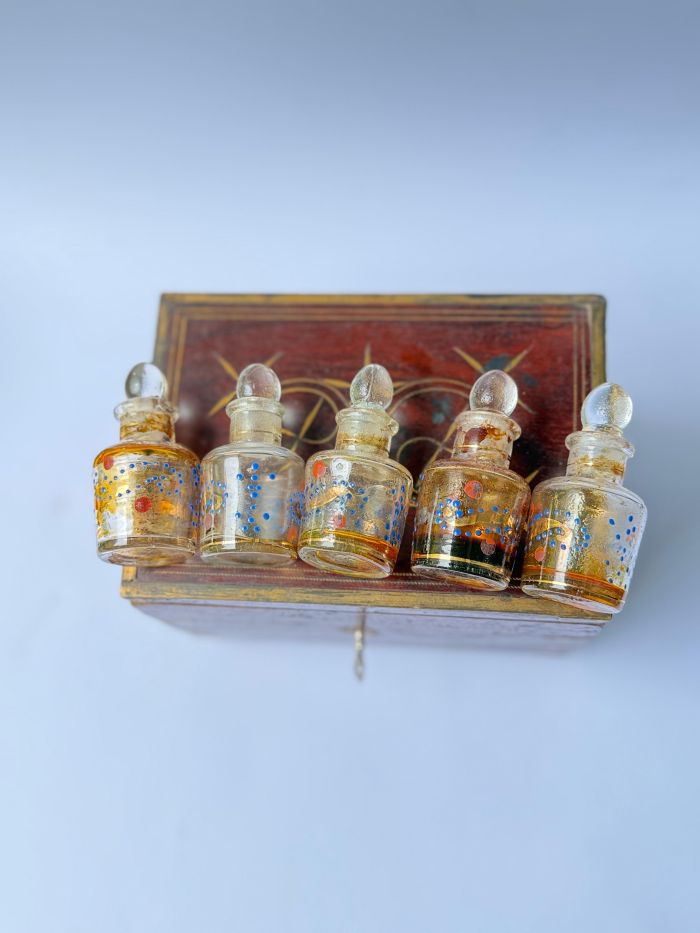
This box brings back a wave of childhood memories. In my native village of Someswaram, vendors would arrive during festivals or on special days, carrying baskets of goods like bangles, kumkum, and attars. One such vendor, known affectionately as Attar Sahib, would bring perfumes stored in similar boxes. It was a ritual for the mothers, grandparents and elders to gather and purchase attars not just for fragrance but for healing, comfort, and ceremony.
I remember a similar rosewood box with brass trims and solid craftsmanship that my mother had. Acquiring a near-identical piece reconnected me with my roots. As an antique collector, most of the antiques in the home museum are objects that I had grown up with and you tend to collect and acquire those which you have lost. Memories are what make the objects sacred. In this case, every imperfection that the attar box has, be it a slightly slanted bottle, or a misaligned trim, is cherished. These aren’t flaws but the mark of the artisans who shaped them. Unlike mass-manufactured goods, these handmade items carry the warmth and individuality of their makers.
Attar itself is made through a careful distillation process. Flowers, roots, leaves, and even clay (to capture the fragrance of the first rain) are distilled, and their essence is absorbed by a sandalwood base. No artificial gases or chemicals are involved in the process. The fragrance is layered, deep, and long-lasting. Attar is not just about scent, but also about mood, and memory. While modern perfumes may dazzle momentarily, they lack the essence of natural attars. Most perfumes have their lasting power short, and their effect uncertain. Attar, on the other hand, is a mood enhancer. Attar doesn’t just make you happy, it makes you blissful. That bliss carries you into another realm and no modern scent can replace it.
, in Uttar Pradesh, is known as the Perfume Capital of India and holds a huge retail market for selling them. In Hyderabad, there are a huge spread of attar shops that are found in and around Charminar, which have a large customer base and sell some unique fragrances.
People often apply attar on pulse points like the wrists, behind the ears, or the neck because these areas are slightly warmer than the rest of the body. The warmth helps release the fragrance slowly, allowing it to last longer throughout the day. These spots also move more and are closer to the nose, which makes the scent easier to notice without being overpowering. It’s a gentle, personal way to enjoy the fragrance in a natural and lasting way.