At 20, navigating my life after college, confused about my future, and deciding to keep myself busy, I had to find an internship somewhere, get experience, and keep me occupied. But how does one land into internship nowadays? Yes, there are multiple online portals offering many internship opportunities. But sometimes the process itself can get overwhelming. I reached out to a friend about my thoughts and plans. After hearing me out, she suggested a place that she had visited sometime back, which might have something interesting for me. A few calls and messages later, introductions were done, and I stepped foot into a unique home museum of antiques in Hyderabad.
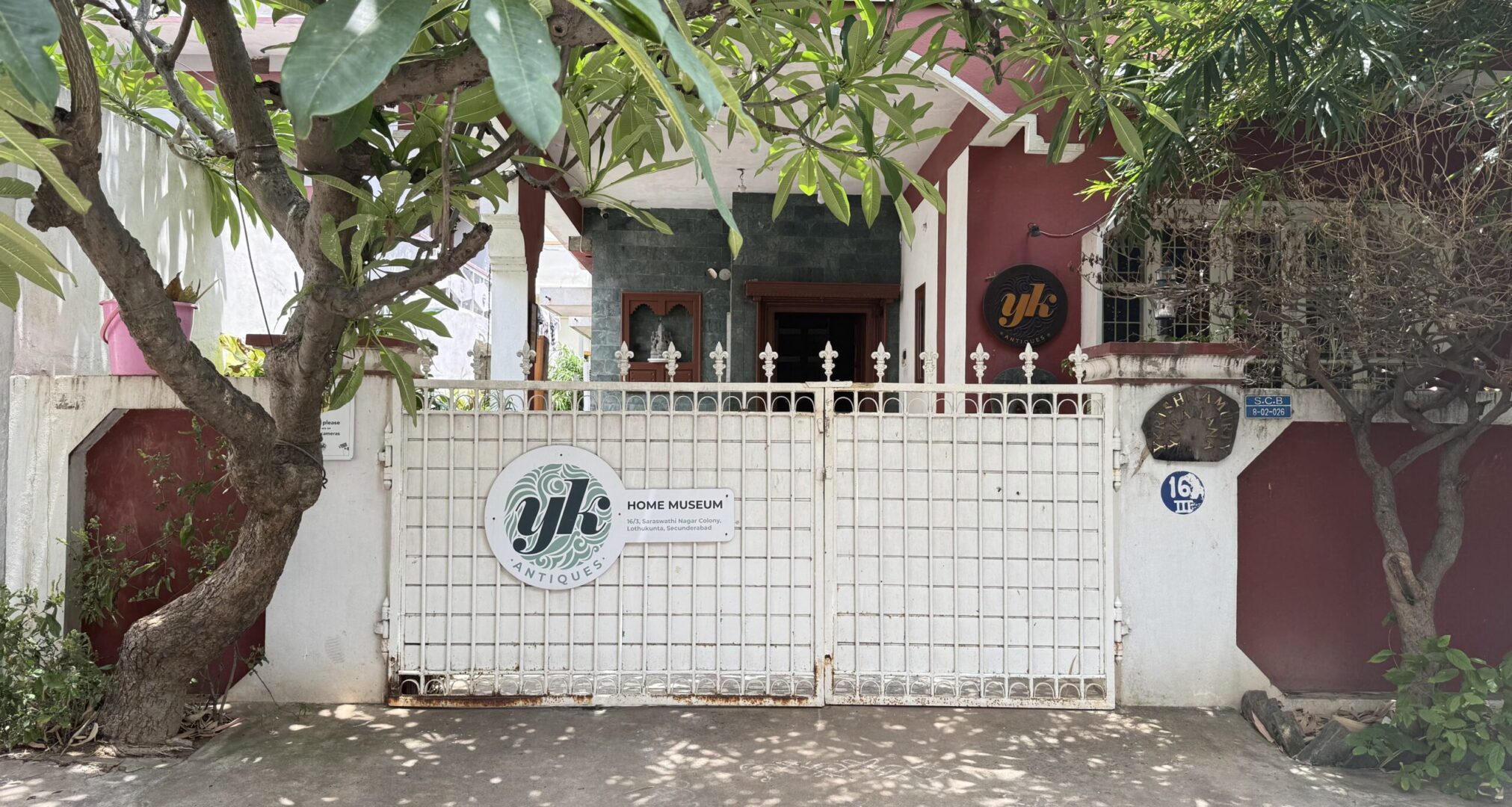
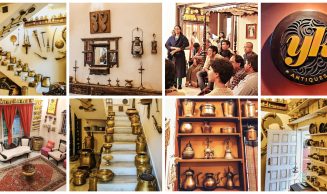
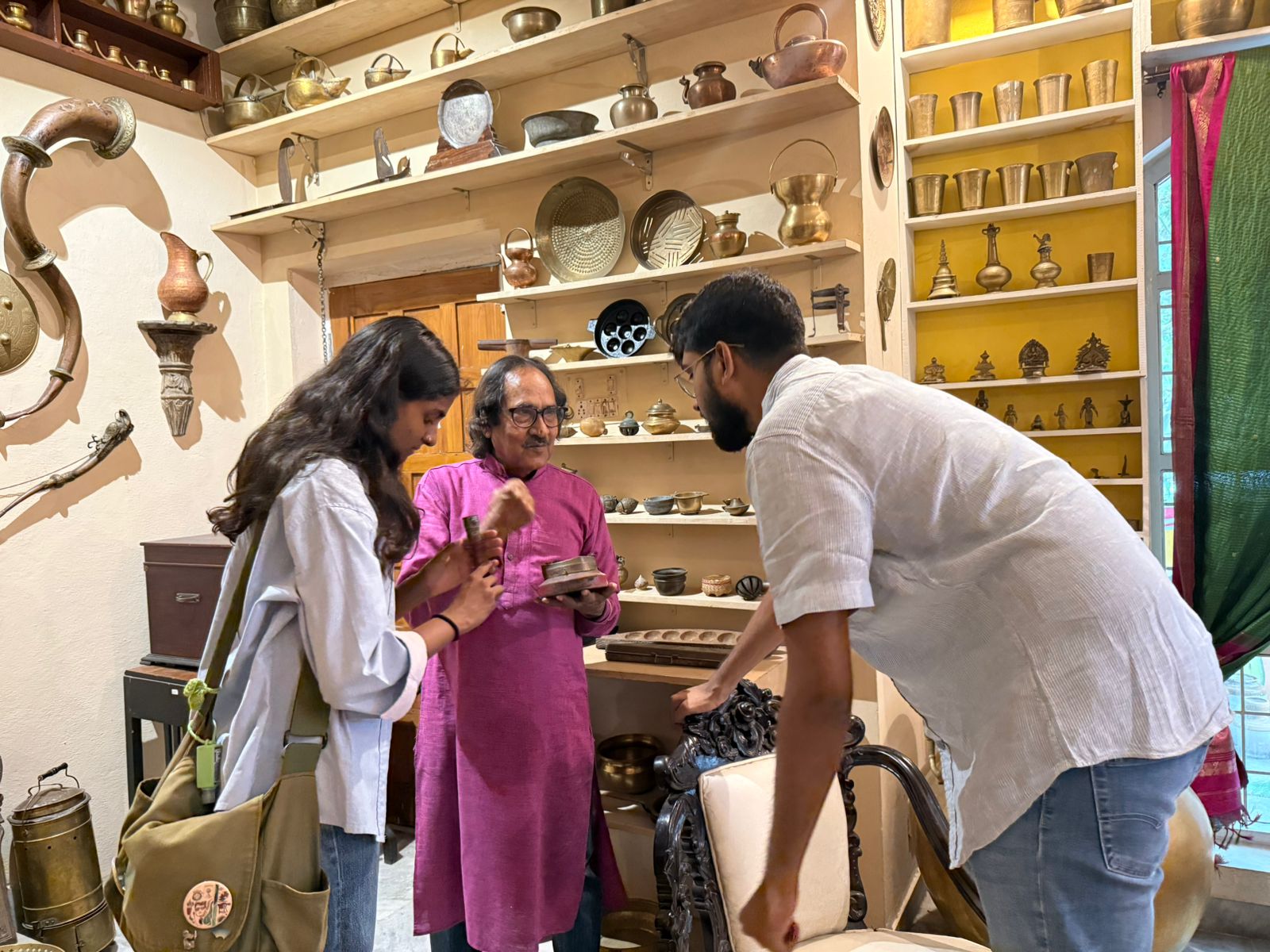
When I walked into the house, I was not sure what I was going to witness, but the first impression of YK Antiques Home Museum (YKA) was truly astonishing. Mr. YK, who has been collecting antiques from all over India and abroad for the last 50 years, lives here and runs this one-of-a-kind home museum. I had never seen anything like it before, a space so thoughtfully curated and filled with history. I was deeply impressed by how carefully the antiques were organized, each item reflecting a sense of purpose and tradition. What stood out even more was how every object carried a story, rooted in culture, rituals, and everyday life, making the entire experience feel like stepping into a living narrative of the past.
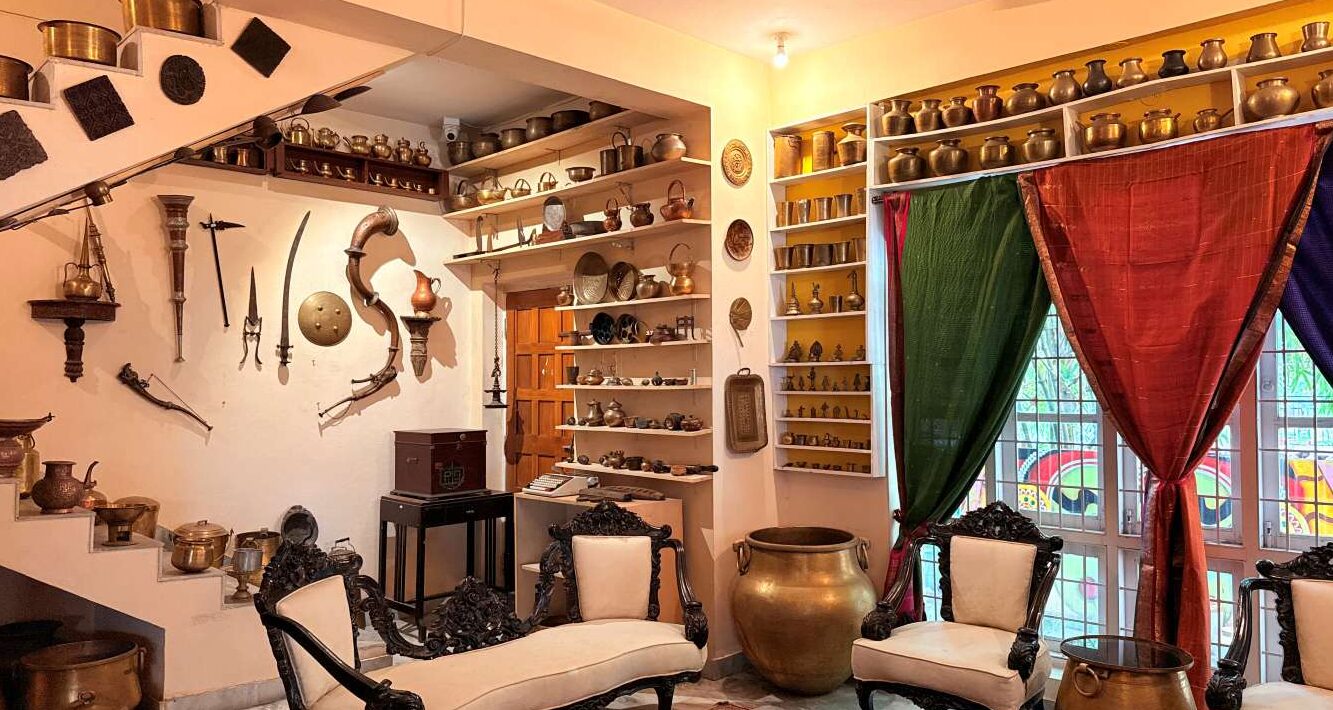
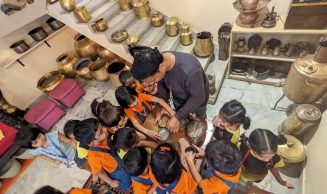
While conversing with YK sir (as he is fondly called), he mentioned that there are more than 1,000 antique pieces in total at the home museum. I was surprised at how one could tastefully display all of them within a house. The museum tour given by him was insightful, and YK sir covered the entire museum in a span of three hours. Most pieces here have a significance towards the lifestyle of the people in the early times and YK sir had emphasized on the fact that the objects that were commonly used those days have been completely lost and most people in this day and age are unaware of their existence and how they have completely modernized every item in their household.
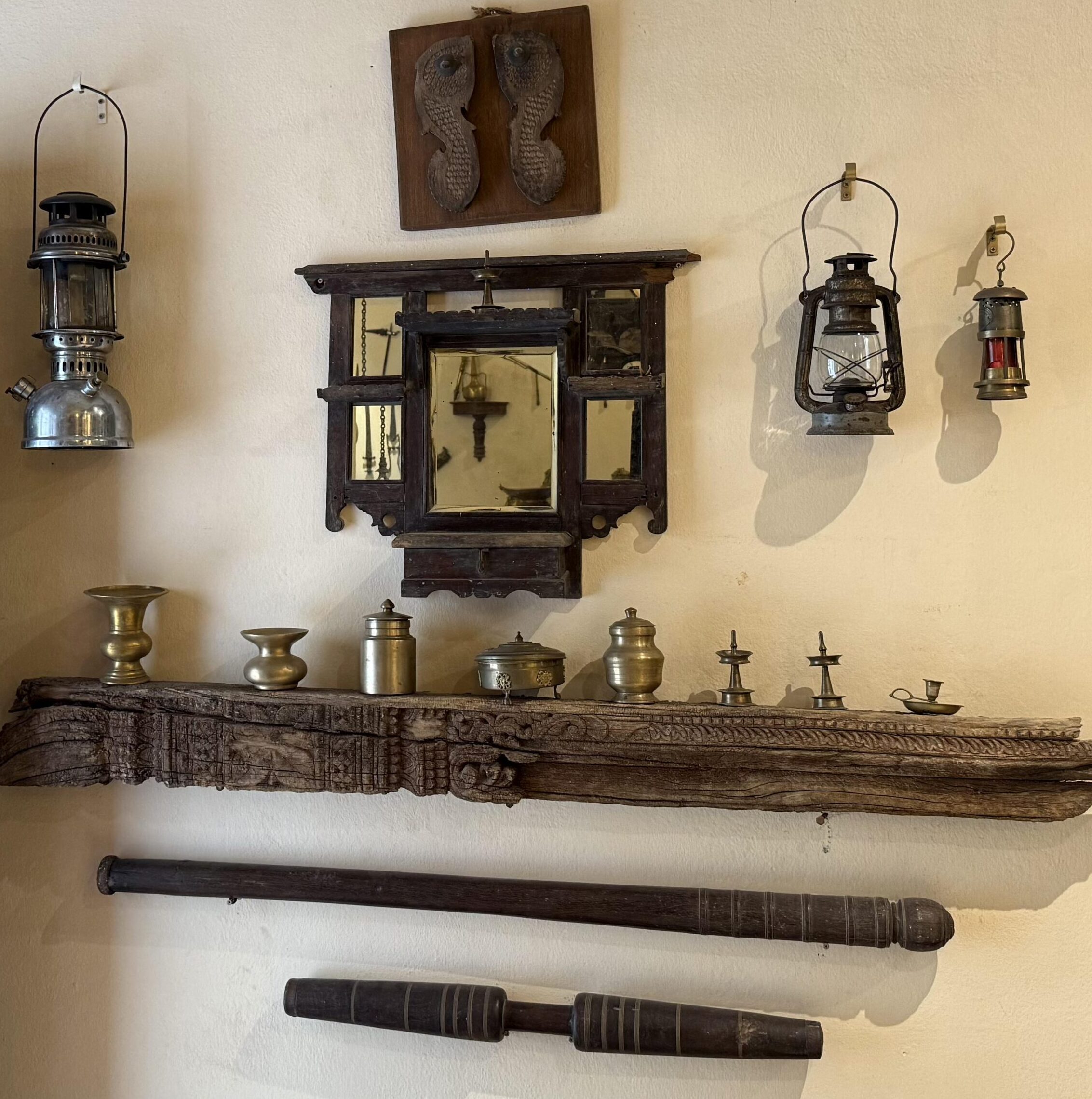
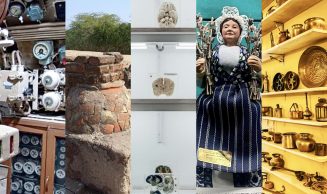
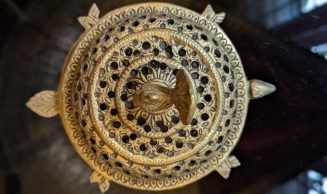
Each antique had a story to tell and had a specific use within the household. The collection has a multitude of cooking utensils made of brass, copper, bronze, and stone, and I am told that each raw material has multiple health benefits and, when used daily to cook and serve food, helps build immunity, aids proper digestion, and supplements the mineral intake. The antiques ranged from cooking vessels, plates, chembus, tumblers, gangalams (water storage containers), fire torches, trumpets, war and training weapons, multiple miniatures, etc. Many antiques carried deep connections to gods like Vishnu and Shiva. These weren’t just decorations; they reflected people’s faith, stories, and the way they saw the divine in everyday life.
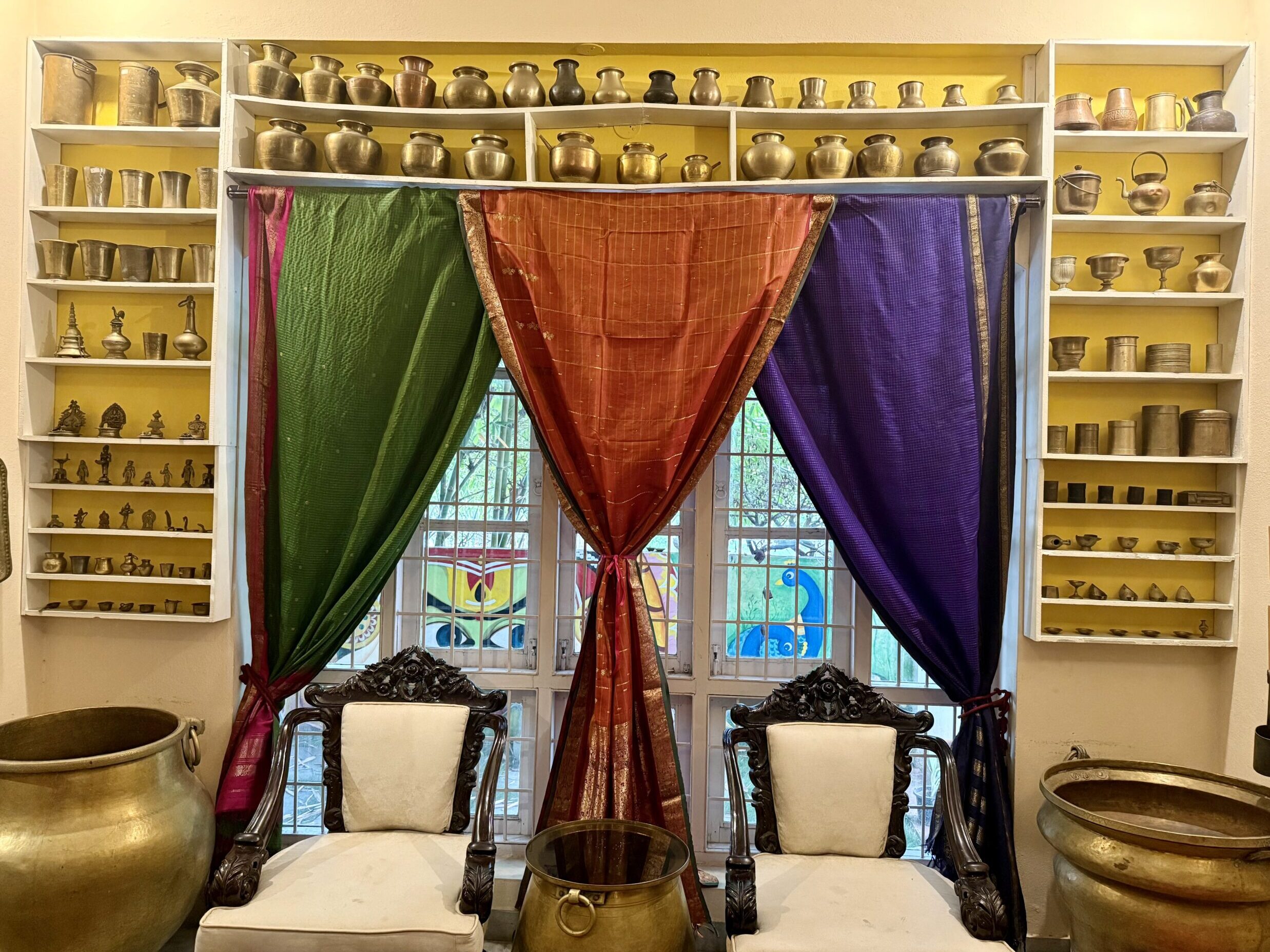
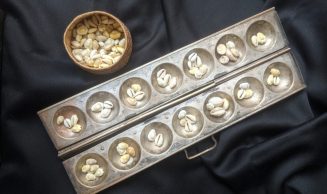
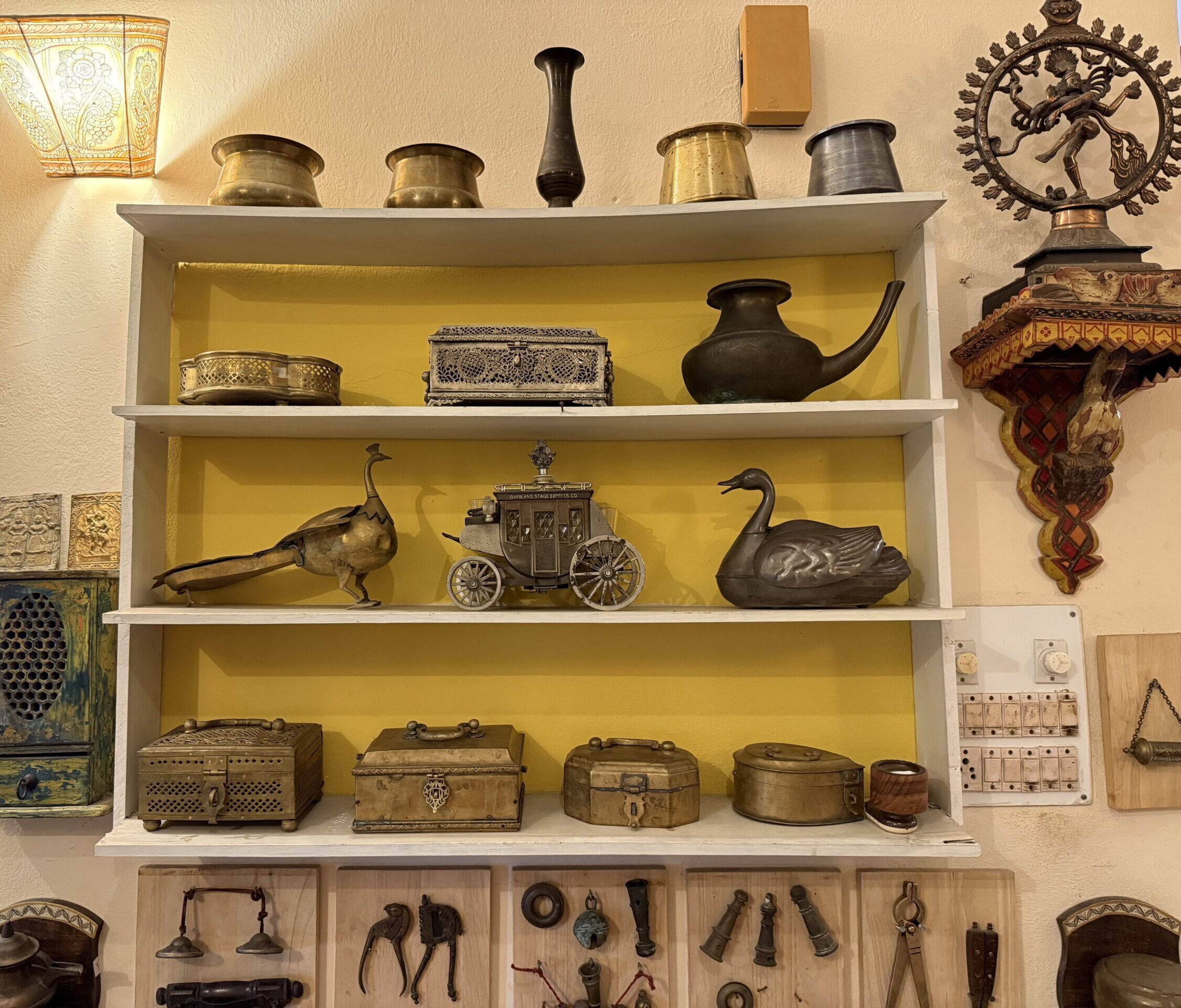
I got to see more objects like paan daans, diya holders, and even tiny measuring cups, the smallest one called a gidda. These everyday items weren’t just useful; they were also beautifully made and held with care, carrying a blend of tradition, art, and everyday life. One section of the wall had a collection of multiple hand fans that were used by the kings and royal families which were made of fine material and had detailed designs on them.
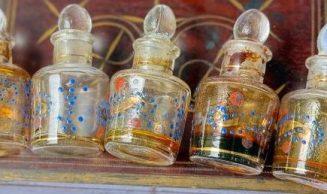
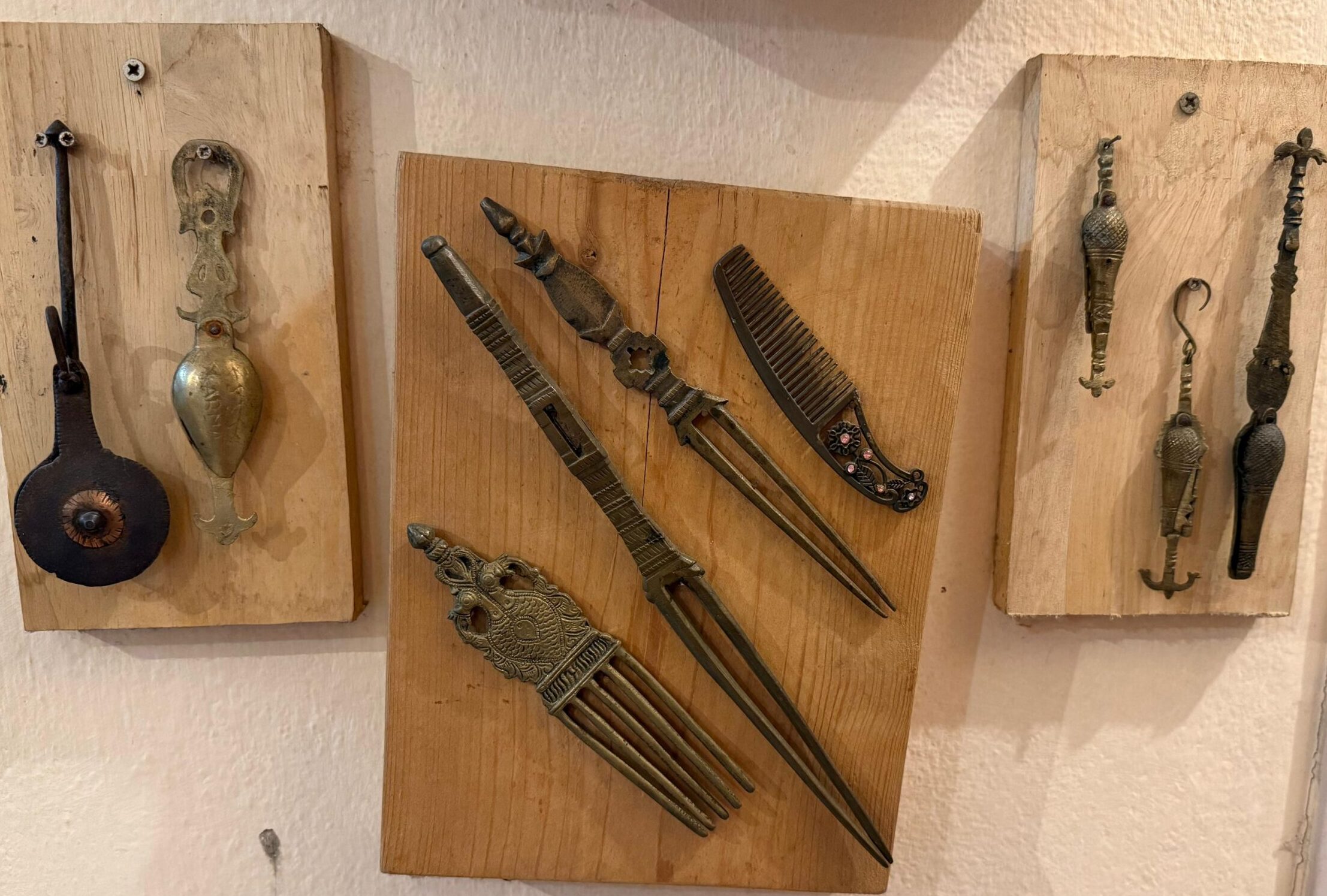
Another interesting addition to this collection is the variety of kajal (kohl) holders. The container used to hold kajal was seen as special, as people believed it helped keep the kajal pure and effective. It wasn’t just for storage; it played a role in protecting the quality of something used daily. Modern times call for modern solutions, and YK sir compared it to the current ones in bright and stylish packaging available nowadays.
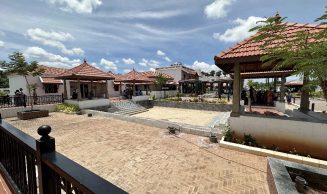
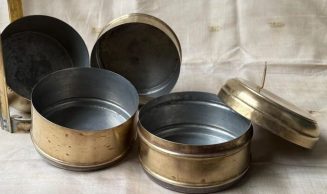
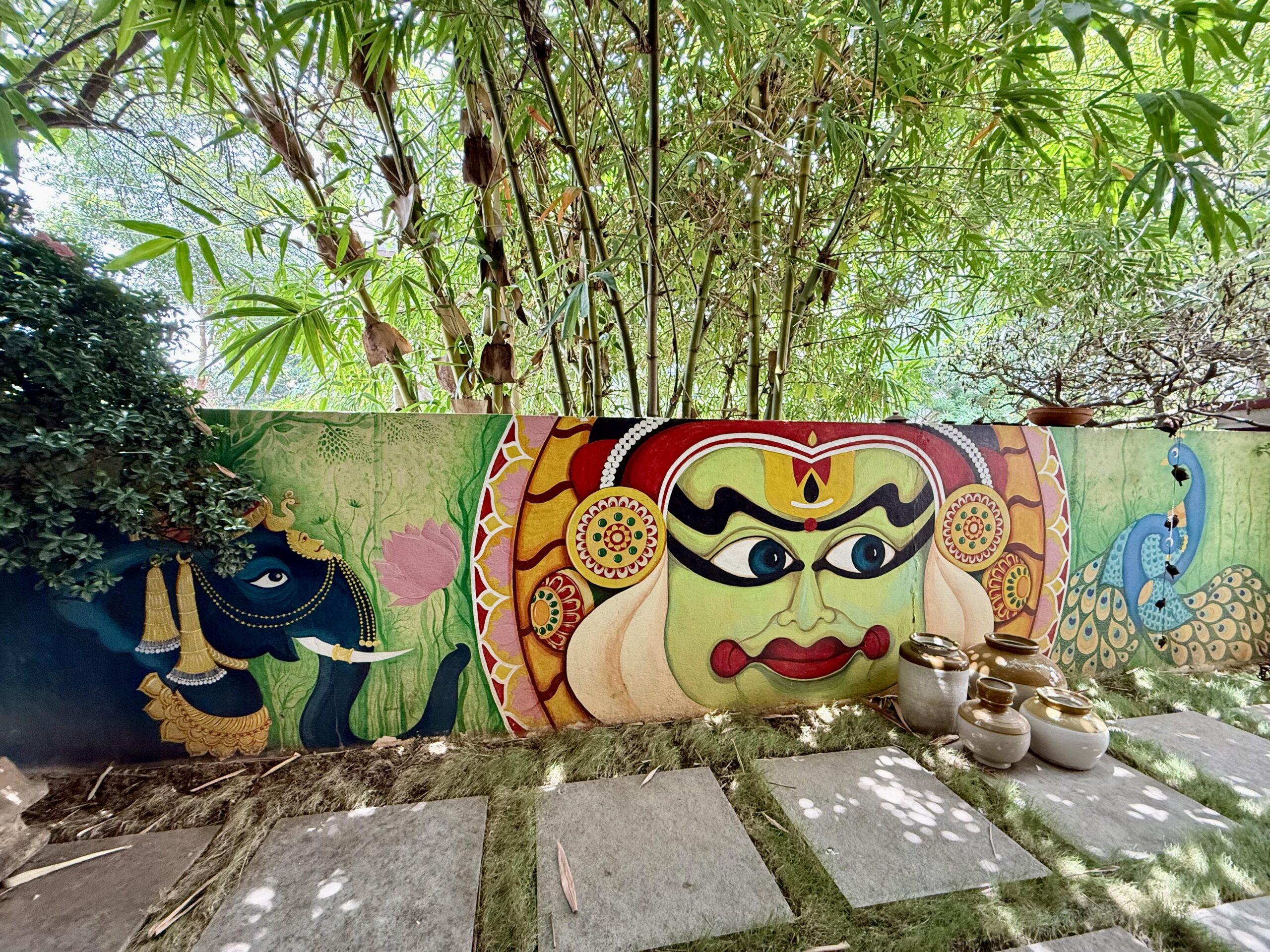
While exploring the museum, I was shown multiple tiffin carriers, including some from YK Sir’s childhood. Every piece here has a sentimental value, but the ones close to YK Sir’s heart are the pieces that were brought from his ancestral house in Someswaram, a village in Andhra Pradesh, like the front door and many wooden wall mouldings with detailed artistry. The outdoors of this home museum is filled with a mini garden, a tiny pond, a bookshelf, a relaxing corner, and stones that were used for grinding and separating rice and making chutneys.
Every antiques has a story and during the conversation with YK sir, he mentioned three important aspects:
The larger part of this collection is an insight into the cooking aspect of the people in those days and how they used different vessels for every dish they prepared. The tale of how people cooked rice is different from how we do it these days.
The traditional coconut grater is intricately carved and was designed for anyone to sit on the floor and grate coconut while chatting with family and friends. I have fond memories of sitting with my grandmother and her grating coconut with a similar one when I was a kid. I feel that the use of traditional vessels has stopped because of the increase in new age innovations like pressure cookers and kadais. Most traditional items have been replaced by the latest innovations, which are made to simplify the tasks and make it easier for people who find it difficult to balance the traditional route of doing this and speed up the process, and save time.
One particular item caught my attention – the paladai. Paladai is a small yet unique cup that mothers used to feed milk to their babies with care. These cups were thoughtfully designed to help pour milk gently, making it easier for the baby to drink. These were also used to administer syrups and medicines in liquid form to babies.

What truly stands out about this place is the homely nature and the relaxed and calm environment. Unlike the conventional museums that often feel distant and formal, there is a sense of ease that this home museum holds. It allows one to calmly observe and touch every antique. This place does more than just preserve history; it brings it to life.
Collections like YKA remind us of the lost culture and the traditional way of living. It shows a collector’s emotional involvement and passion. Each item tells a story about how people lived, what they valued, and how they found beauty in everyday things. Seeing these antiques helps us understand how thoughtful and sustainable life once was. It also teaches us to appreciate the effort that went into even the simplest things. The effort, care, and love shown by the collector inspire others to look at the past with pride. In a world that is fast-paced, such collections help us stay rooted.
I feel what really drives someone to collect art or antiques isn’t just the objects themselves, it’s a deep love for learning, a curiosity about the past, and a strong wish to hold onto something meaningful. For collectors, it’s more than a hobby; it’s like going on a journey through time. Every item they find feels like a little time capsule, carrying memories of old ways, forgotten traditions.
Collectors see the hidden beauty and meaning in everyday things that most of us might overlook; for them, collecting is their way of telling stories without words. It’s about keeping a culture, especially in a world that moves so fast we sometimes forget where we come from. They protect these traditions and crafts, making sure the past stays alive to inspire the generations that come after us.
Most objects that existed in the past are slowly fading away, and ten years from now, many of the things we use today will also disappear. Who knows if we will get to see gas stoves, traditional alarm clocks in the future? Is it going to be all digital?
As I start this internship, to me, it is more than just a job. It’s a dive into our culture and learning new things about the past that is lost in the present world. It’s a way of preserving the past and finding new ways to tell the stories of the differences in the society that we live in now and how life used to be. This is the journey that I am embarking on – to capture stories, learn, share, record, and present them the best I can as a communicator.
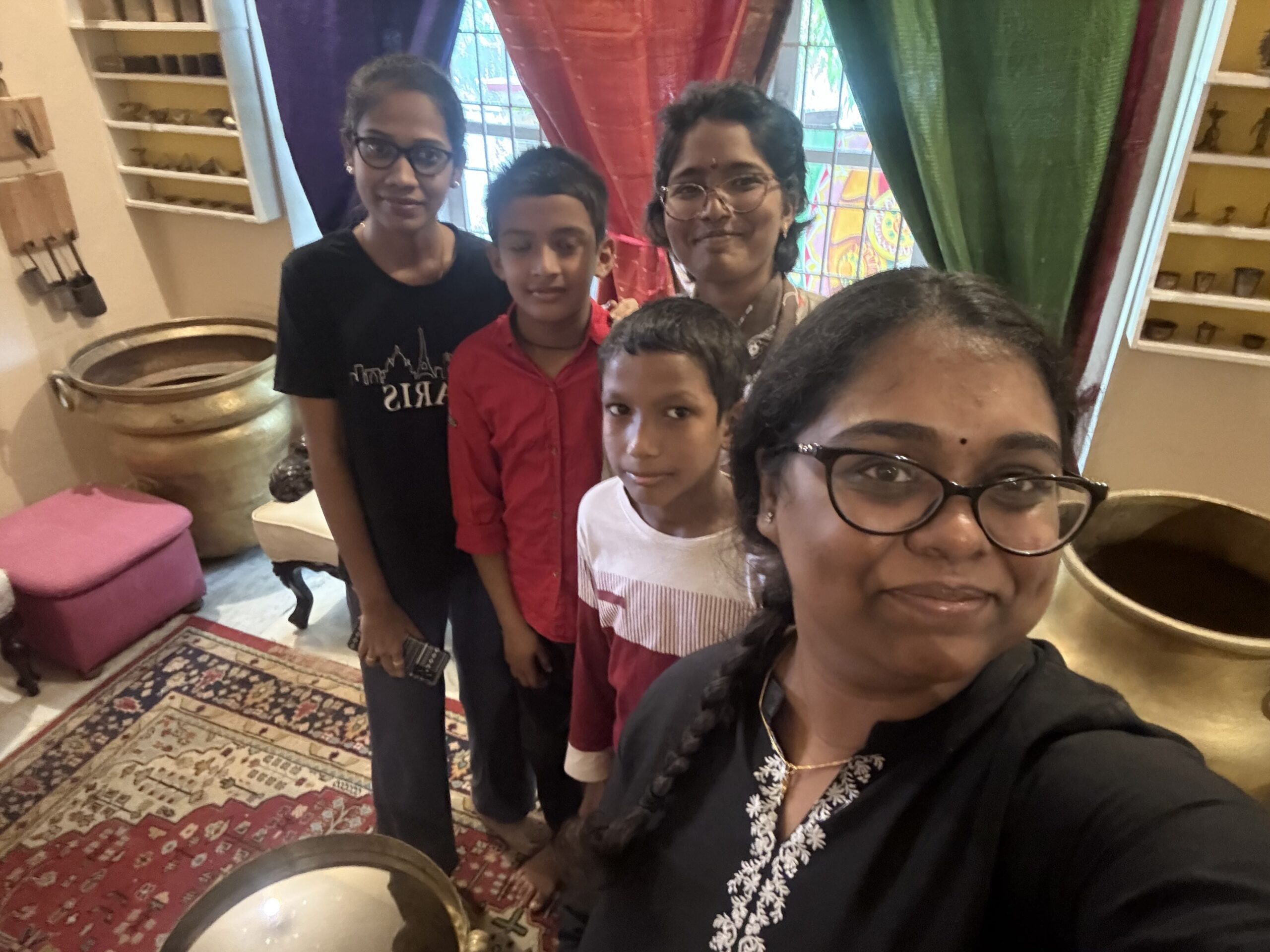
YKA is a place filled with homeliness, culture, and art of life that was lived by people many years ago. To me, it is a reminder of who we are and where we come from.