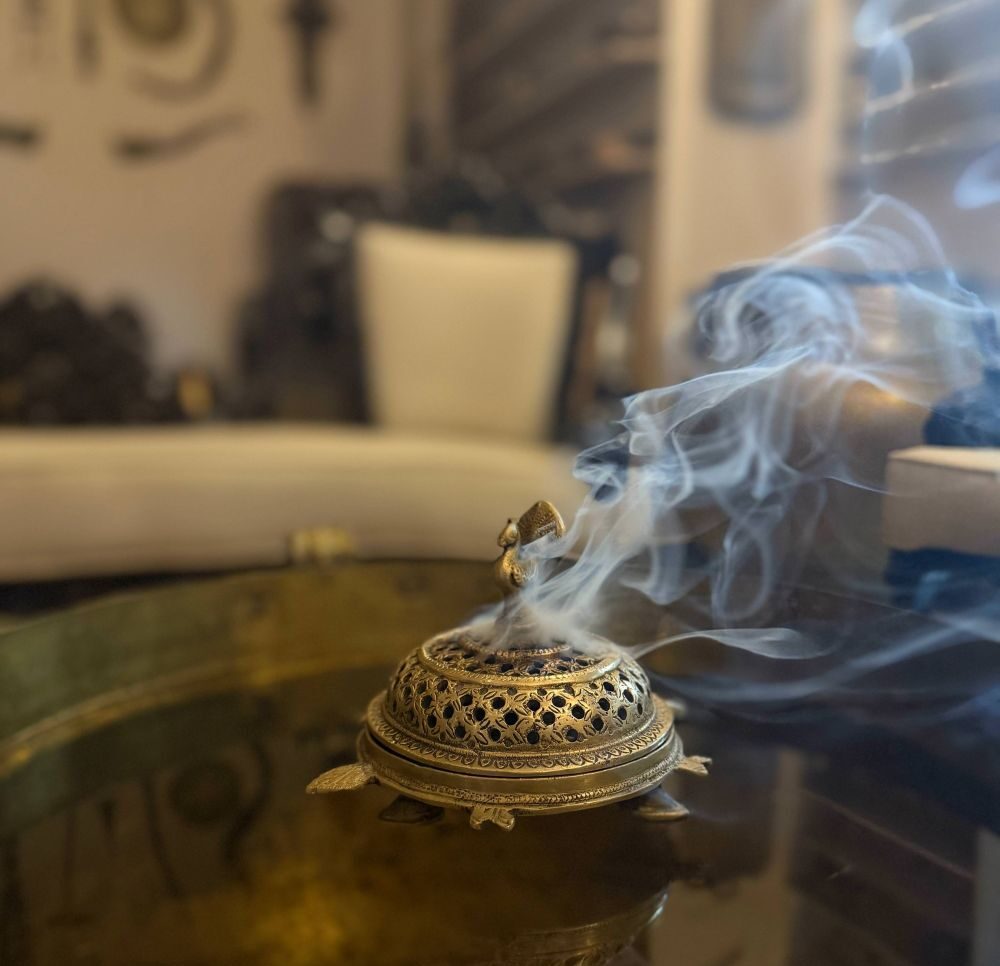
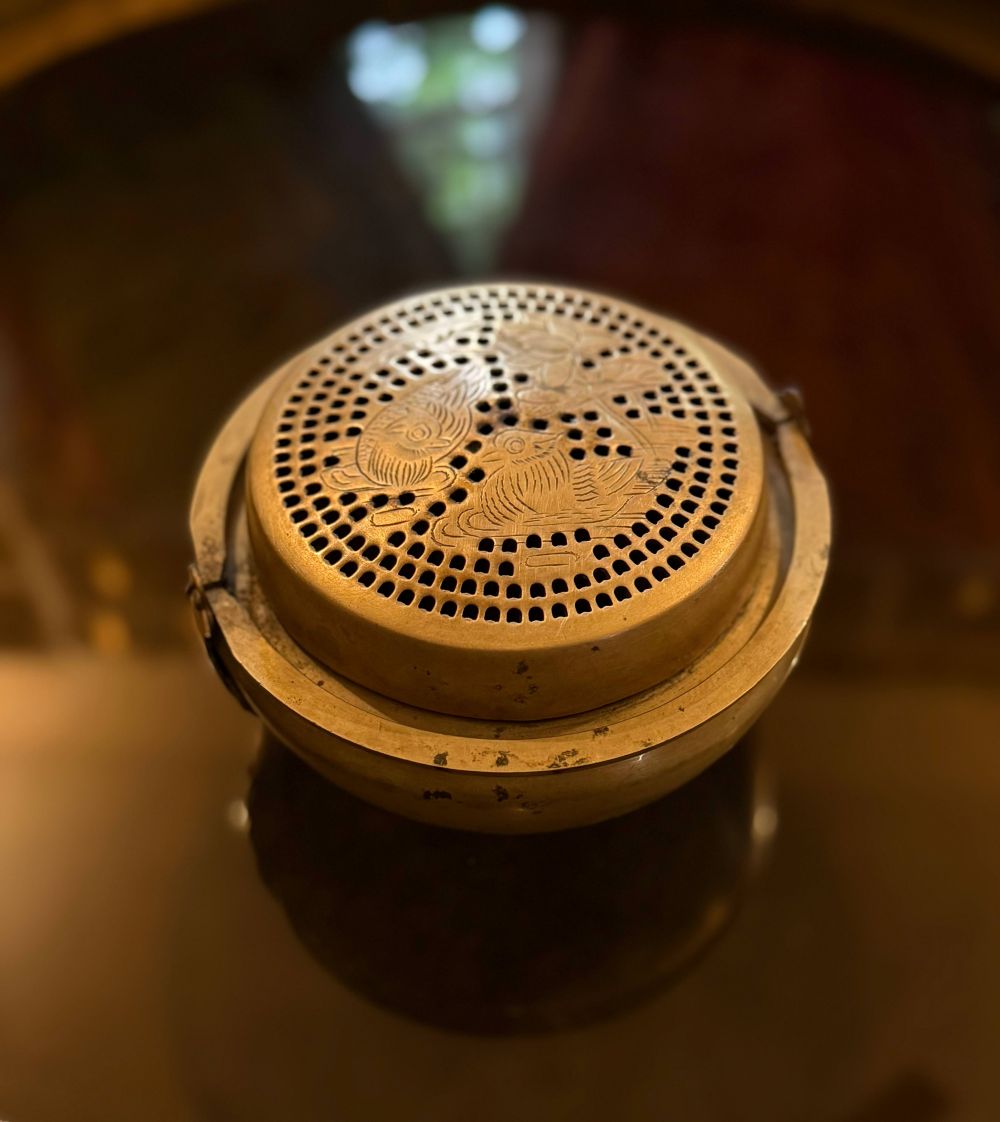
The Dhoop Dhaan is a traditional incense burner, a simple yet meaningful object that has been a part of cultural practices for many years. The purpose of this item might be clear to anyone familiar with incense rituals, but what truly stands out is how it combines function with a quiet sense of beauty. The way smoke escapes from its perforated lid, slowly curling into the air, makes it feel like more than just a utilitarian vessel used for burning incense. It is a piece of living culture, still present today in the form of brass, preserved and appreciated for both its use and its appearance.
There are several types of incense used, depending on the occasion and the desired effect. The most common ones are the agarbatti, which is a slender incense stick that emits a light stream of smoke when lit. Then there are solid incense types, such as sambrani or pressed sandalwood tablets, which are placed directly into the bowl of the Dhoop Dhaan. These produce a much thicker, stronger smoke that fills the air quickly. Each kind of incense serves a different purpose, and the shape or style of the burner is usually selected depending on what is being burned.
In traditional households, Dhoop Dhaans were used throughout different parts of the day depending on the need. At bedtime, one would often be placed near the bedside so that the calming scent could help with relaxation and better sleep. During morning or evening prayers, the smoke acted not only as a spiritual offering but also as a means to cleanse and sanctify the space. It was also commonly used to drive away insects, perfume rooms before welcoming guests, or simply to create a pleasant and soothing atmosphere. In some households, it served an even more personal function. Women used it after head baths to gently dry and perfume their hair with the thick smoke of sambrani.
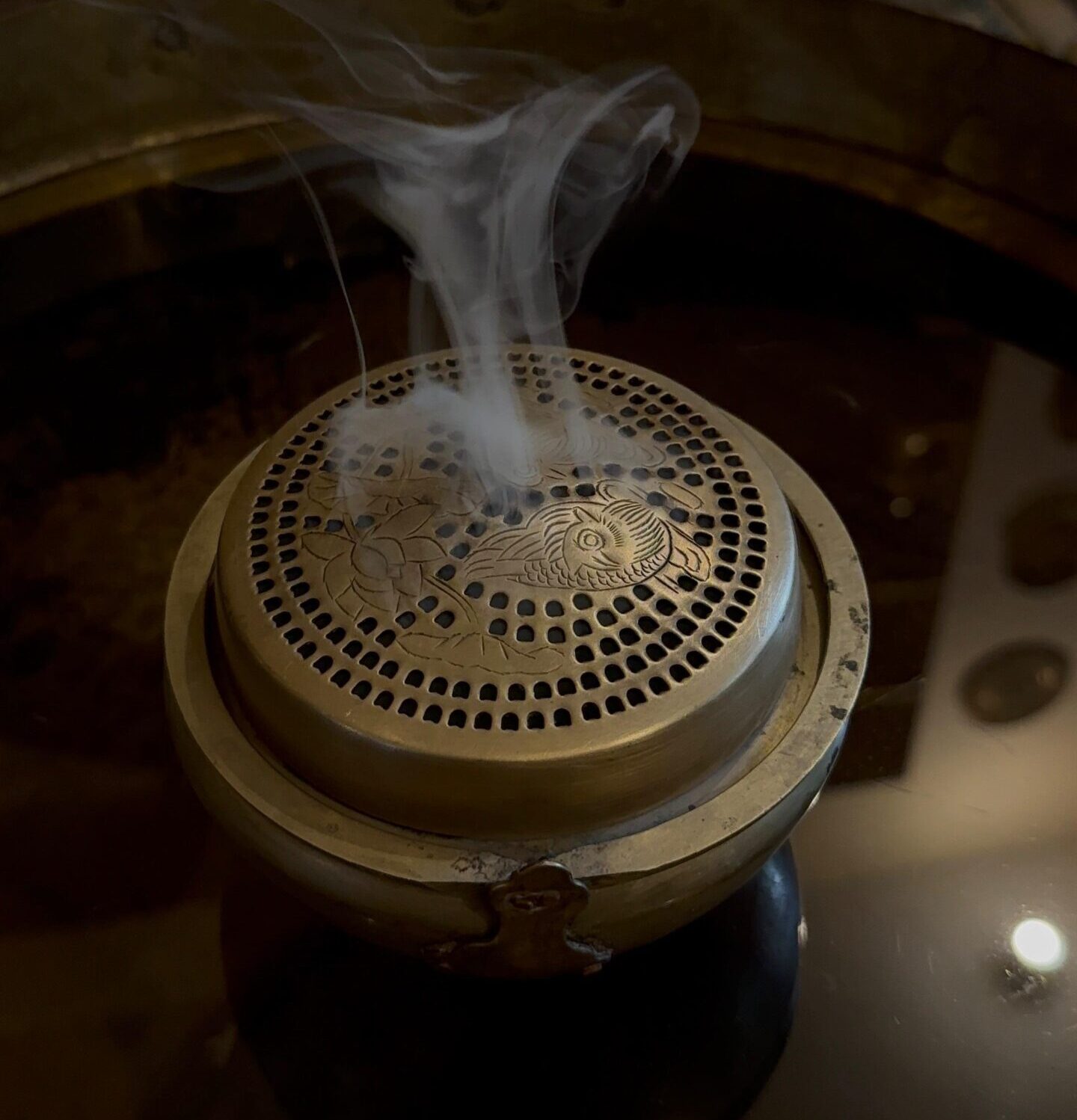
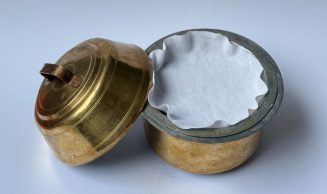
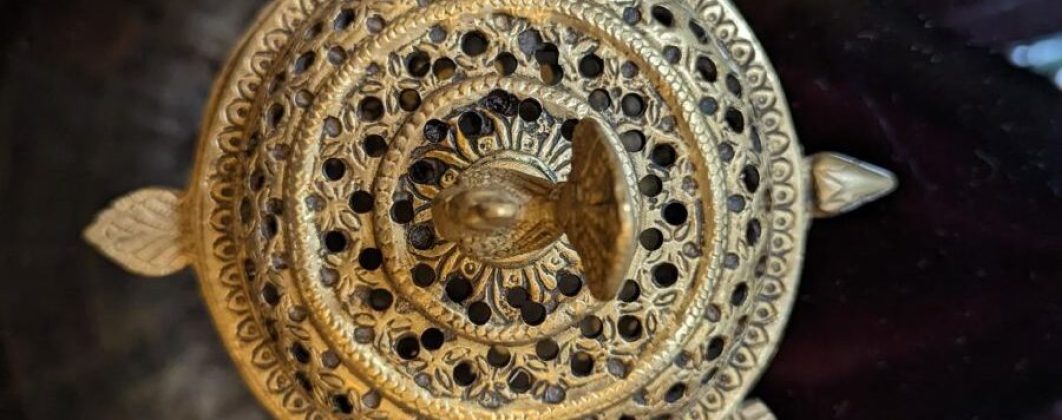
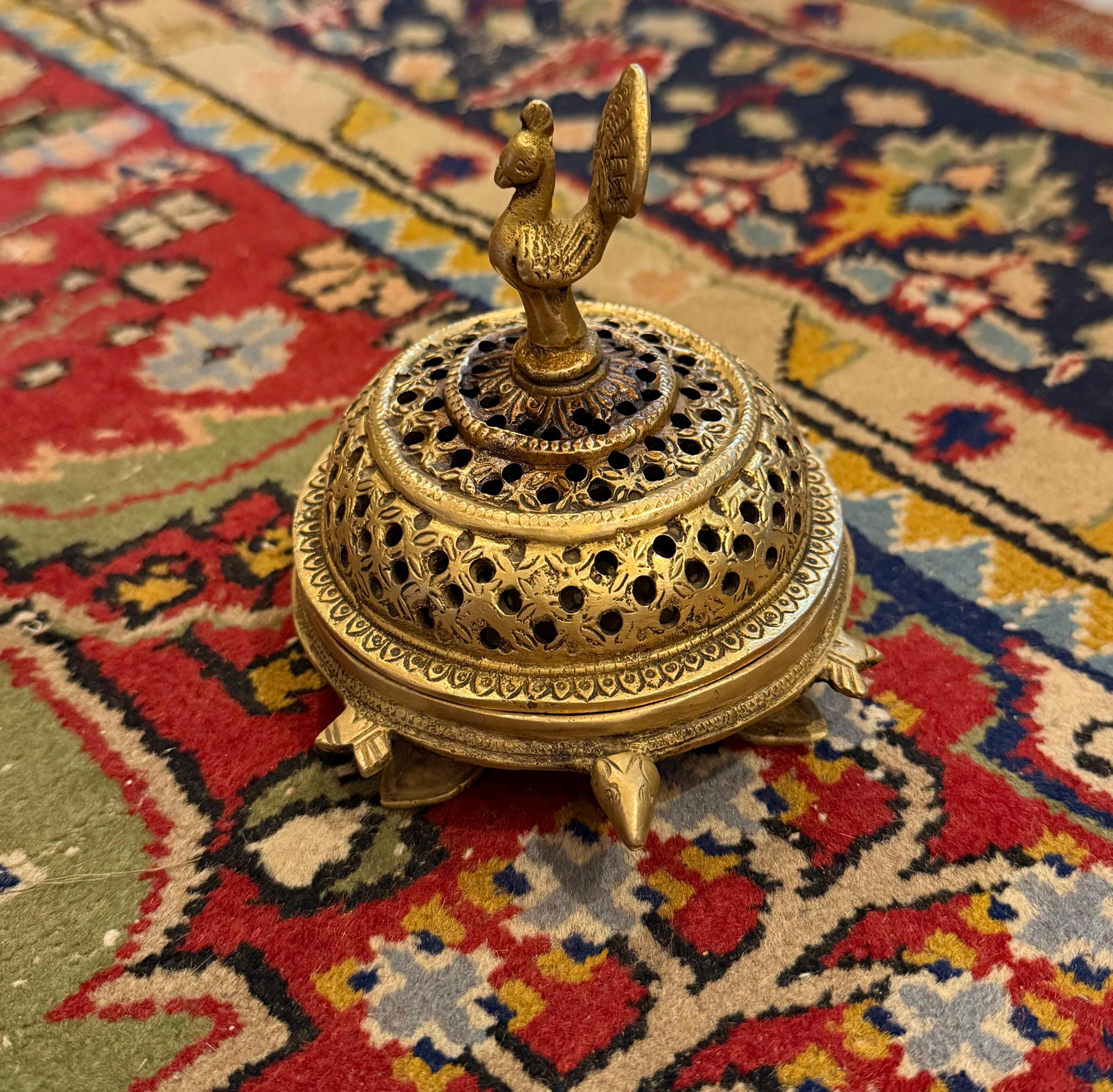
Two specific Dhoop Dhaans from my collection stand out for their design and detail. One of them is a cup-shaped vessel with a metal handle that can either be raised for carrying or folded flat when resting. The lid of this burner has a series of small holes through which the smoke escapes in slow, soft streams. The second one is more decorative and complex. It is a Dhoop Dhaan shaped like a tortoise at the base. It has a dome-shaped lid and features a brass peacock sitting on top as a handle. The dome is filled with many tiny perforations, and when the incense is lit, the smoke flows out in abundance, filling the entire space with a fragrant presence.
These incense burners are made from brass, which is a metal traditionally chosen for its strength, weight, and its ability to withstand high heat. Although modern versions of these burners are now made from different types of metals and come in a variety of designs, brass remains the most preferred and respected material, especially in traditional homes and families that value cultural continuity.
The design of each burner plays a significant role in how the smoke behaves once the incense is lit. Open bowls are designed to release a quick and generous burst of smoke all at once, which makes them ideal for perfuming a space quickly or for practical uses like drying hair. On the other hand, lidded burners with small holes are made to spread the smoke slowly and more evenly over a longer period. This makes them more suitable for rituals, meditation, and creating a calming atmosphere that lasts longer.
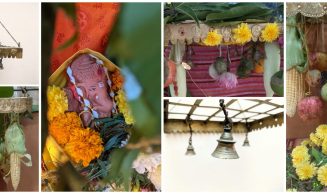
Dhoop is also deeply connected to Hindu rituals and customs. It is included in the traditional offerings to gods and goddesses, together with elements like light, music, flowers, and food. During the puja, dhoop is lit and waved gently around the idol as part of the offering sequence, often following karpooraharathi, which is the lighting of camphor. This act is a part of seva, which means service or devotion, and it is done to purify the surroundings and to create a sacred space for the divine presence to be welcomed.
At my home, the version that was used during my childhood was much simpler. It was a ladle-like piece made of brass, with a long handle for easy movement. Sambrani was sprinkled on the burning Charcoal, and then the smoke was waved slowly in front of the deity during prayers. Though it was not particularly elaborate in design, it served its purpose faithfully and was an essential part of the household’s spiritual practice.
Today, modern life has introduced new ways to perform the same practices. Sambrani now comes in the form of tablets that are pre-packed with charcoal, so they light up easily without the need for an elaborate setup. Room fresheners, essential oil diffusers, and other scent dispensers have taken the place of traditional burners in many homes. These modern products are efficient, easy to use, and better suited to busy routines and the limited space of apartments.
The idea of smokeless fragrance has become popular in recent years. While it does serve the basic purpose of adding aroma to a room or a space, it lacks the experience and depth that smoke-filled rituals used to offer. There is no flame to light, no slow build-up, and no sense of waiting. The fragrance may be present, but the feeling is not the same.
In this shift from traditional methods to modern solutions, something meaningful has changed. Burning dhoop used to be a process. It involved carefully preparing the burner, lighting the charcoal, and watching the smoke rise slowly. It required time, attention, and a kind of mindful involvement. Modern alternatives have certainly made things easier, but the emotional and cultural depth that came with the use of the Dhoop Dhaan continues to feel irreplaceable.